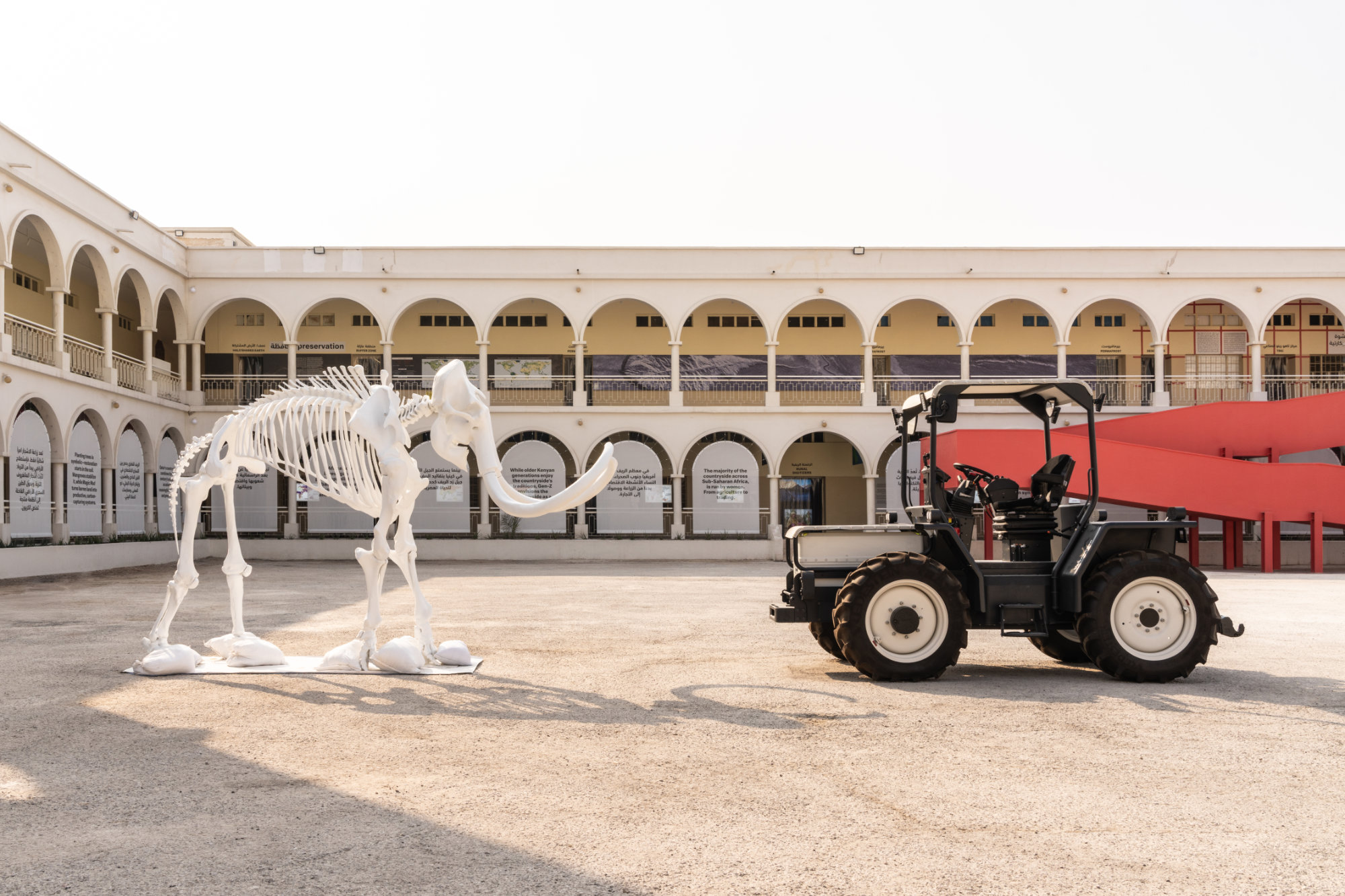
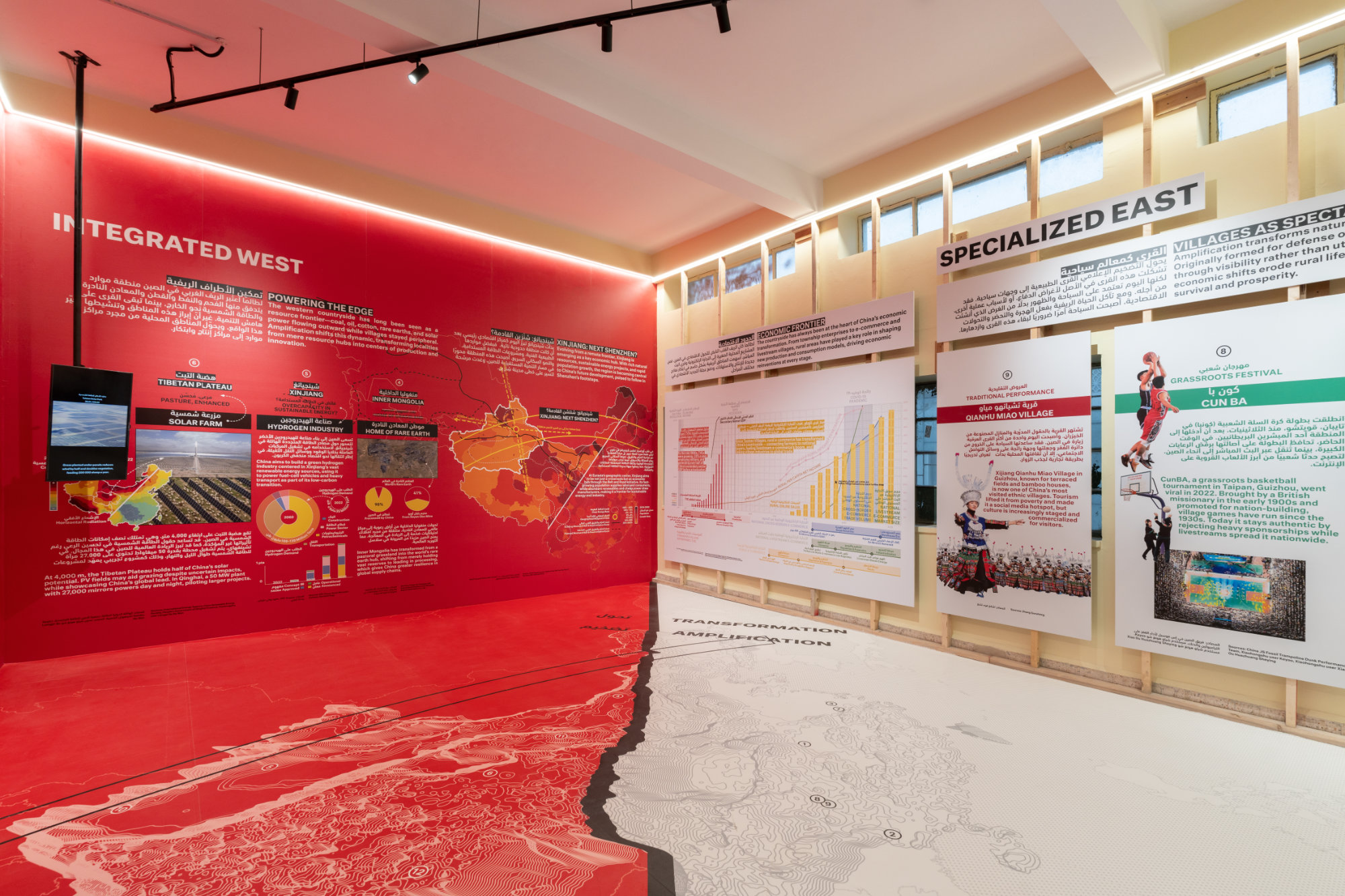
In recent years, AMO, the research and strategy arm of OMA, has turned its attention to territories beyond the city. Its ongoing research into rural transformation—first explored in the exhibition Countryside, The Future—continued in a new exhibition presented in collaboration with Qatar Museums in Doha. Expanding on this earlier work, the project examines the countryside as a site of technological change, ecological pressure, and new forms of settlement that challenge long-standing assumptions about the primacy of the urban. In this interview with EastEast editor Furqat Palvan-Zade, Samir Bantal, director of AMO, reflects on the motivations behind the research and the shifting relationship between city and countryside.
That ambiguity was part of the motivation behind our research. Architects and planners have historically concentrated on cities, while the countryside has remained largely outside their field of attention. Yet our intense focus on urbanization may be reaching its limits. The twentieth-century city was built on the assumption of continuous growth—economic, demographic, and infrastructural. Today, that assumption is increasingly unstable. Many Western cities are shrinking while maintaining infrastructures designed for expansion. This creates a basic contradiction: how do you sustain systems built for growth when society itself is no longer expanding?
Your suggestion that the countryside might appear as an enemy of the city is interesting. We usually imagine the opposite—that cities threaten rural landscapes. But what we increasingly see are the limits of the urban model itself. Cities concentrate creativity, capital, and knowledge, yet they cannot solve every problem. Food production is a simple example. We often imagine technological fixes—vertical farms producing strawberries or lettuce—but you cannot feed the world on strawberries and lettuce. Agriculture still depends on soil, landscape, and scale.
Rather than maintaining a strict opposition between city and countryside, it may be more productive to recognize the incompleteness of the city itself. For a long time, cities presented themselves as places of prosperity and innovation. Today, we are beginning to see that this model cannot function on its own. Instead of preserving the duality between city and countryside, we may need to rethink how their qualities could coexist.
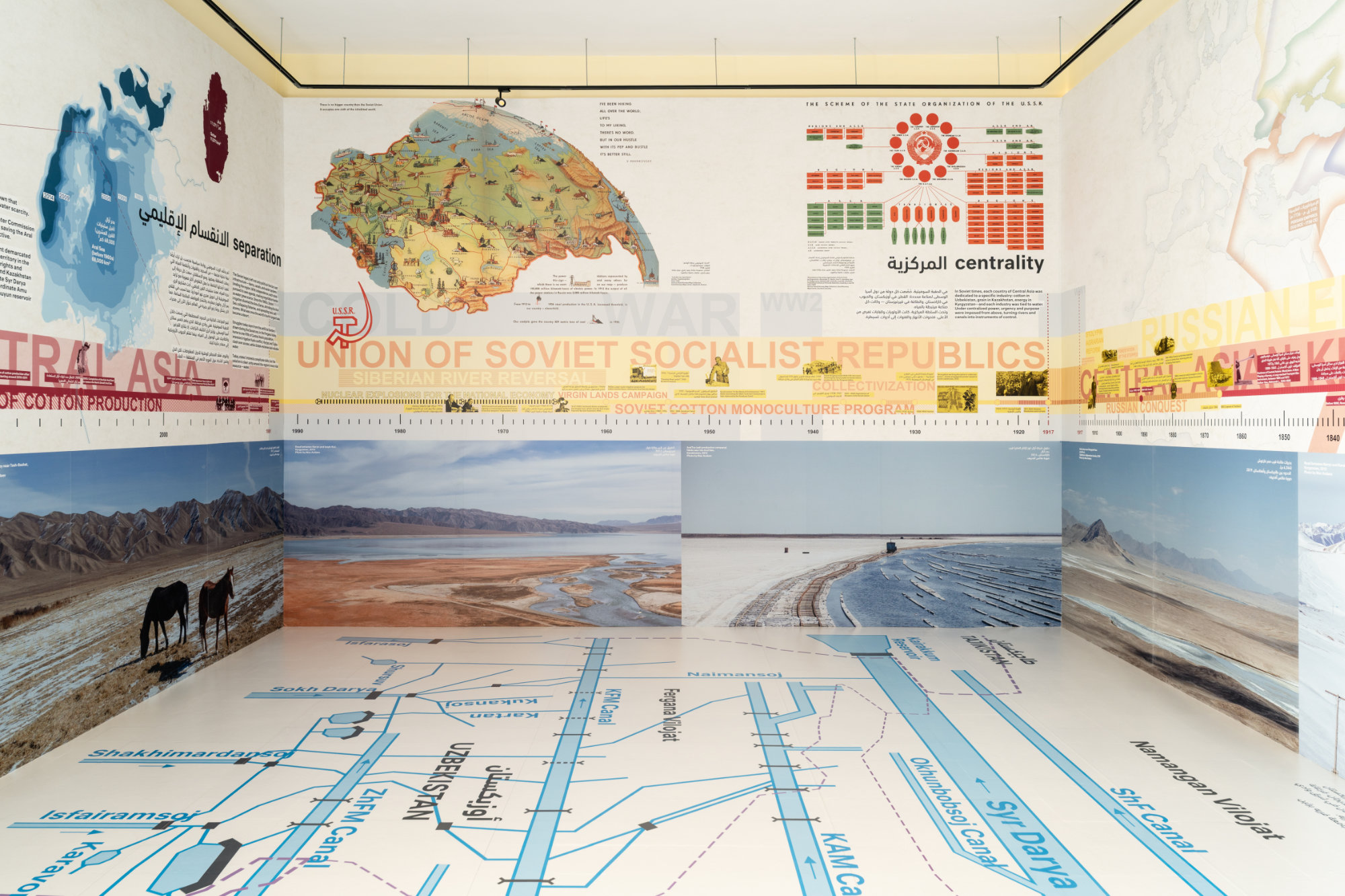
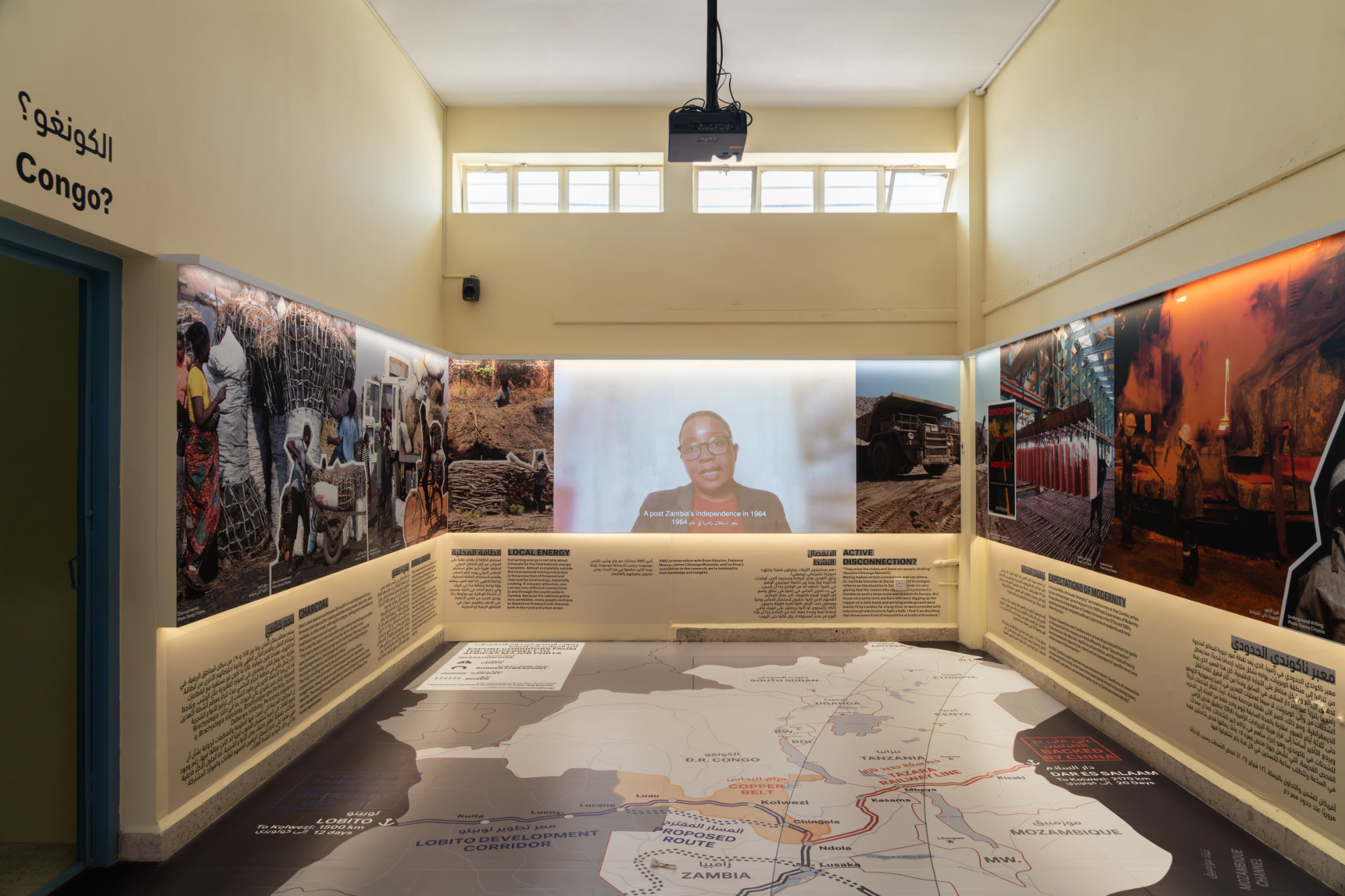
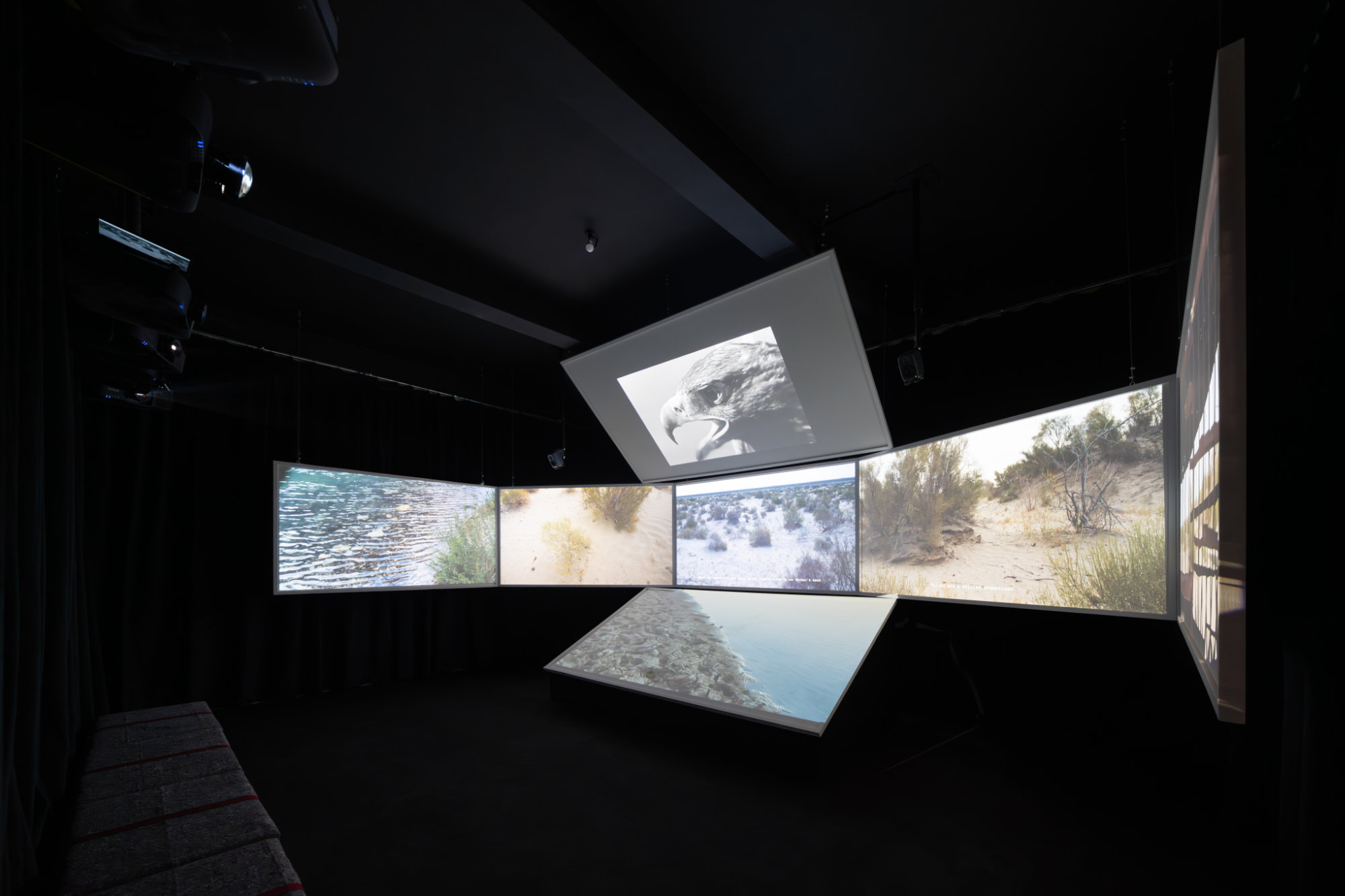
What became clear is that this narrative is largely Western.
I grew up in the Netherlands, but every summer my family returned to Morocco to visit my grandparents in the countryside. My grandfather was a farmer, and those visits shaped my sense of belonging. My parents always described the trip as going home, even though we lived in Europe. As a child, that confused me, but it also revealed something important: it was possible to inhabit two worlds simultaneously—urban life in one place and rural belonging in another.
This dual existence is common among migrant communities. Many North African families spent most of the year in European cities and returned each summer to their villages. Movement between city and countryside became part of the rhythm of life.
At the same time, many cities in the Global South are relatively young. Large-scale urbanization has taken place only in recent decades. Africa in particular is entering a period of enormous demographic growth—by 2050, roughly one in four newborns worldwide is expected to be African. This raises an important question: should development simply reproduce the urban model that shaped Western cities, or might other forms of settlement emerge?
One example we examined was Kenya, where younger generations—especially Gen Z—are actively questioning this relationship. Rather than choosing between city and countryside, they are exploring ways in which the two could exist in a continuous relationship, almost as a gradient rather than a clear divide. That approach may ultimately prove more humane and sustainable than simply replicating Western patterns of urbanization.
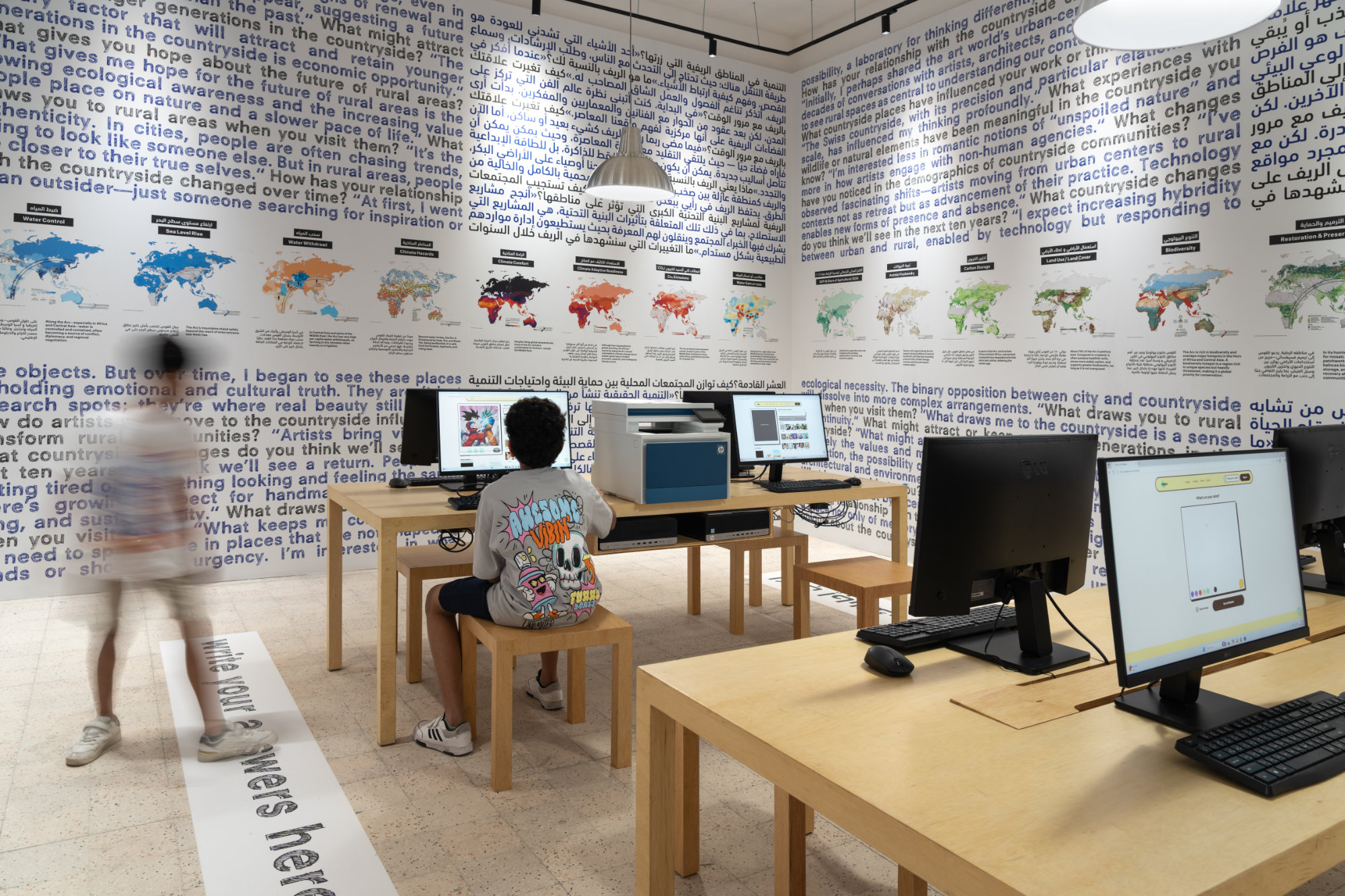
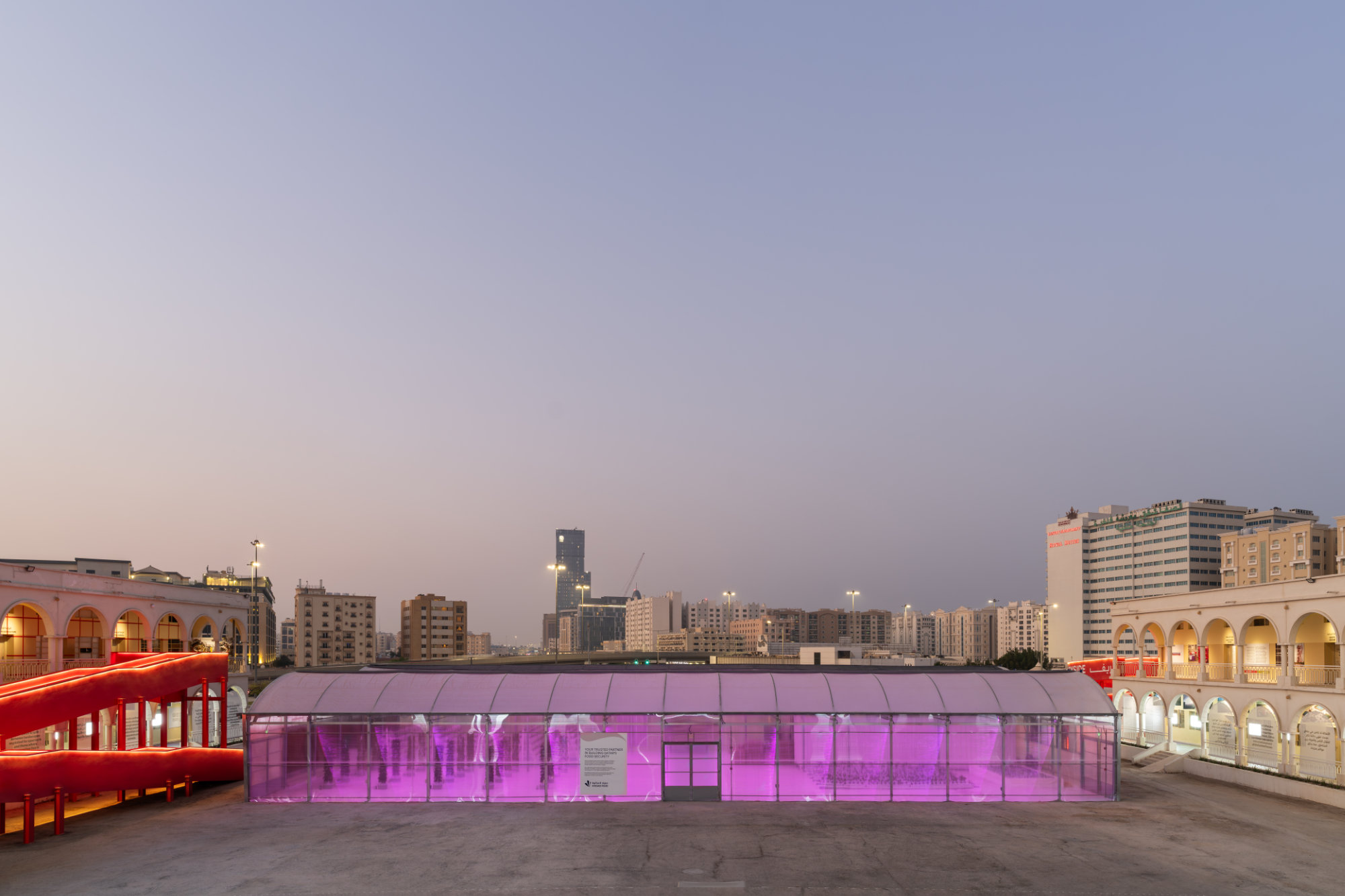
Across the world, we see democratic institutions being challenged and, in some cases, deteriorating. This raises the question of whether we are moving toward a kind of post-society, in which many of the frameworks established after the Second World War no longer hold.
If that is the case, it will largely fall to younger generations to rethink these systems. For them, many of the promises of capitalism are already breaking down. Housing is increasingly unaffordable, resources feel scarce, and the idea of endless growth appears less convincing than it once did.
The exhibition does not offer a single solution, but rather seeks to demonstrate that other possibilities exist. In Countryside, The Future, presented at the Guggenheim Museum in New York, the concluding sections painted a rather bleak picture: sustaining urban lifestyles would require reorganizing the countryside on an immense scale, almost sacrificing it to support the city.
In the newer exhibition in Doha, we tried to shift that perspective. We looked, for example, at a nomadic community in Kyrgyzstan that actively questions whether adopting a fully modern lifestyle is even desirable. Their position suggests something quite radical: perhaps constant growth is not necessary for a meaningful life. Perhaps surplus production and expansion are not the only ways to sustain society.
For me, that is where the hope lies. Not in a single blueprint, but in recognizing that the models we treat as inevitable are only one possibility among many.